

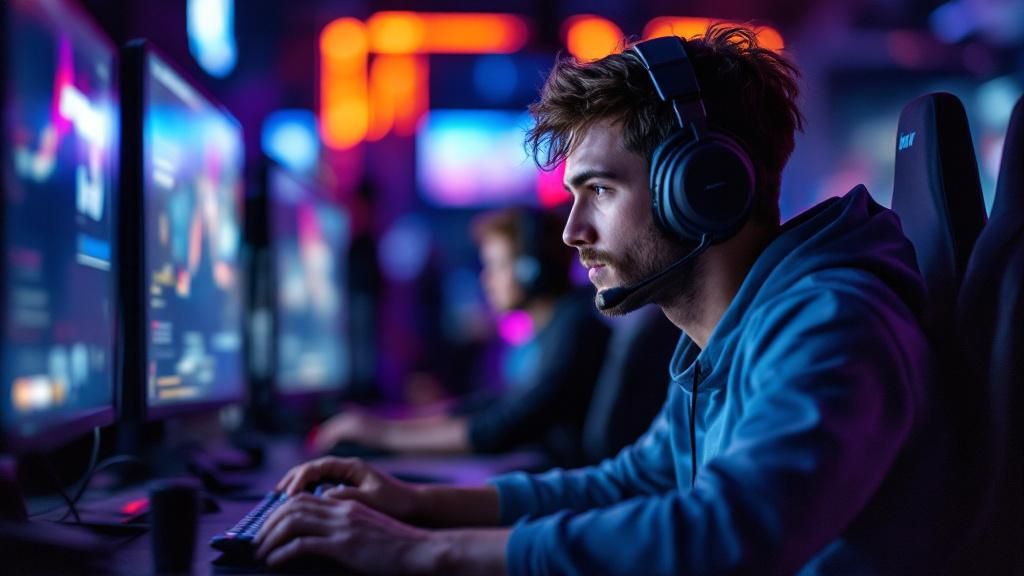
The thriving esports industry has experienced a significant transformation, with professional teams now recognising mental health as essential to player performance and wellbeing. Gone are the days when organisations prioritised only gaming prowess; contemporary leading esports franchises invest substantially in psychological support, mental health support, and wellness programmes. This article explores how leading organisations are prioritising mental health initiatives, the difficulties players face, and why this shift constitutes a crucial evolution in professional gaming culture.
The Increasing Importance of Psychological Health in Competitive Gaming
The competitive esports sector has undergone a profound shift in the past few years, with mental health becoming a essential element of athlete progression and organisational performance. Professional organisations now recognise that mental toughness is just as vital as technical ability and strategic knowledge. This recognition stems from mounting evidence that psychological health significantly impacts results, reliability, and career sustainability within the industry. As competitive pressure grows and prize money increases, competitors face intense demands, making robust mental health support an essential investment rather than an optional luxury for ambitious teams.
The move towards focusing on mental health demonstrates a broader maturation of esports as a established sporting discipline. Major franchises have begun implementing comprehensive wellness programmes that manage pressure control, exhaustion mitigation, and emotional resilience. These programmes acknowledge the particular cognitive pressures of elite-level gaming, including extended training schedules, public scrutiny, and the ongoing drive of excellence. By creating supportive settings and providing professional mental health resources, elite franchises demonstrate their commitment to player welfare whilst also improving their performance edge through enhanced concentration, decision-making, and general competitive output.
Comprehensive Psychological Support Programmes in Elite Teams
Leading esports organisations have implemented comprehensive psychological support structures that go well past fundamental wellbeing programmes. These full-scale initiatives integrate expert therapeutic support, pressure management instruction, and peer support systems crafted to address the particular demands of professional esports. Teams recognise that sustained performance requires mental toughness alongside technical skill, prompting investment in focused wellbeing resources that matches conventional sporting bodies.
Expert Counselling and Therapy Support
Leading esports organisations now recruit qualified mental health professionals and wellbeing experts who focus on sports performance and performance psychology. These experts engage regularly with players to address performance anxiety, mental fatigue, burnout, and the psychological toll of intense competitive environments. Consistent individual meetings offer confidential support, allowing players to establish mental frameworks and sustain mental stability throughout demanding competitive seasons.
Furthermore, various organisations make available specialised therapy modalities encompassing cognitive-behavioural therapy and mindfulness-based approaches. These research-supported approaches enable players to manage performance anxiety, enhance focus, and develop emotional regulation skills. By promoting mental health conversations in team contexts, organisations have effectively reduced stigma and motivated players to actively seek support rather than struggling alone.
Stress Management and Resilience Training
Full-scale stress management programmes provide players with actionable strategies for managing the intense pressures inherent in competitive esports. Coaching sessions cover breathing techniques, muscle relaxation techniques, and thought reframing methods designed to minimise match-related anxiety. These programmes allow players to stay composed during pressure-filled matches and recover effectively between competitions, ultimately improving sustained performance and career length.
Resilience training represents another pillar of current mental health support, focusing on developing psychological strength and flexibility. Coaches instruct players to reframe setbacks as learning opportunities, enhance self-assurance through organised target-setting, and foster emotional strength. By weaving these strength-development strategies into standard squad protocols, organisations build cultures where mental development aligns with technical development, developing well-rounded competitors able to succeeding in demanding conditions.
Influence on Playing Performance and Team Achievement
The inclusion of comprehensive mental health support has yielded demonstrable improvements in competitive results across professional esports organisations. Teams employing mental health professionals report enhanced focus, better tactical choices during intense competitive play, and improved reliability in gameplay. Players benefit from pressure control methods and emotional control techniques, enabling them to maintain peak cognitive function throughout demanding tournament schedules. This psychological foundation produces performance benefits, as mentally resilient athletes perform more reliably when stakes are highest.
Organisational success increasingly demonstrates a connection to commitment to player wellbeing programmes. Organisations delivering robust mental health resources see enhanced staff retention, lower absence rates from burnout, and better team bonding. The mental health support systems fosters safer settings where staff discuss matters freely about difficulties, building confidence between coaches and players. This candour allows quicker response when problems emerge, avoiding minor concerns from becoming severe difficulties that could compromise both personal development and collective results during critical competitive periods.
Looking ahead, mental health support constitutes a fundamental essential requirement rather than a luxury amenity in professional esports. Teams prioritising psychological wellbeing attract higher-calibre talent, maintain healthier rosters, and achieve sustained competitive success. As the industry matures, organisations recognising this connection will establish themselves as market leaders, setting standards that redefine professional gaming excellence beyond mere technical skill to encompass comprehensive player development and long-term career sustainability.
